This Week in Team Management: Small Business Hiring Slows While Good Applicants Stay Scarce
Small business hiring cooled in September, but that does not mean finding good people got easier. NFIB's latest jobs report shows fewer owners trying to hire, while a large share of those who are still cannot find qualified applicants. For a manager running a restaurant, shop, gym, or clinic, the practical takeaway is simple: the people already on your roster are worth more than ever.
Why This Matters to a Frontline Manager Right Now
A softer labor market can create a false sense of security. When headlines talk about slowing hiring, it is tempting to assume replacing a no-show or a resignation will be quick. The numbers suggest otherwise. The shortage most small operators feel is not a shortage of people. It is a shortage of qualified, reliable people who fit your shifts.
That makes every departure expensive. Recruiting, training, and the weeks of reduced output while a new hire gets up to speed all come out of your margin, and they land on your busiest managers.
What the September Numbers Show
According to NFIB, 51% of small business owners reported hiring or trying to hire in September, down 5 points from August. A seasonally adjusted 32% reported job openings they could not fill, and 45% said they saw few or no qualified applicants. Labor quality remained the top problem for owners for the third month in a row. A net 17% of owners plan to create new jobs over the next three months, unchanged from August.
Other reports point the same direction. Intuit QuickBooks data showed businesses with 1 to 9 employees shed a small number of jobs in September, and CBS News reported that U.S. employers added 29,000 jobs that month, short of forecasts. Together, the picture is a soft but stable market: fewer owners are expanding, but openings remain hard to fill with the right people.
What This Means for Retention
When applicant quality is the bottleneck, retention becomes your cheapest hiring strategy. Staff who feel the workplace is organized, fair, and predictable are far less likely to start browsing job boards. Staff who face unclear expectations, last-minute changes, or a messy handoff between shifts are the ones who leave, often for a similar job down the street.
The slowdown also gives you a window. With less competition for the same candidates, you can be more selective and invest more in onboarding without feeling the pressure to fill a spot with whoever walks in first.
Five Practical Actions to Take This Week
1. Audit your last three departures. Look at why people left and how long they stayed. If the exits cluster in the first 90 days, your onboarding is the problem, not the market.
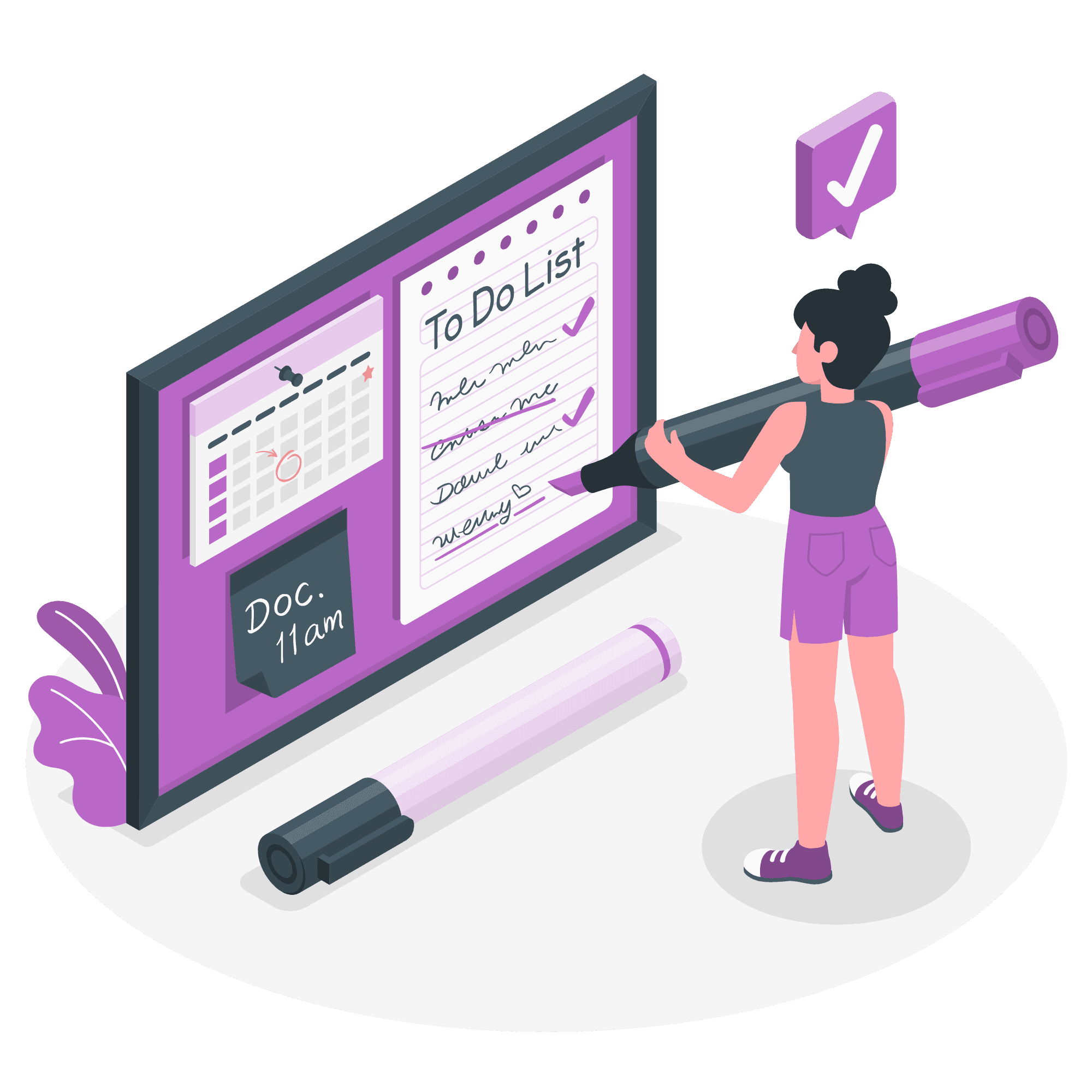
2. Write down what a good first week looks like. Turn the unwritten knowledge in your best employee's head into a short checklist for every role: opening tasks, closing tasks, who to ask, what done looks like.
3. Hire for reliability, then train for skill. With 45% of owners seeing few qualified applicants, waiting for a perfect résumé can leave a shift empty for weeks. Define the two or three traits that actually predict success on your floor and test for those.
4. Cross-train one backup per critical task. A single point of failure turns one resignation into a service problem. Pick your three most fragile tasks and make sure two people can do each.
5. Hold a short, honest check-in with each person. Ask what is making their week harder than it needs to be. Fixing one small friction point, such as a confusing task list or a recurring schedule conflict, costs far less than replacing someone.
Keep the Slowdown in Perspective
One month of survey data is a snapshot, not a trend line, and the figures above come from owner surveys and secondary reports, so check the original releases before building budgets around them. What is consistent across recent months is the quality problem: owners keep reporting that good applicants are hard to find. Plan around that, not around the headline hiring rate.
How MyTeamTasks Helps
When you cannot easily replace people, clear expectations are how you keep them and get them productive faster. With MyTeamTasks, you can build checklists for every role and shift, assign tasks to specific team members, and watch completion in real time so problems surface before they become complaints. Photo-proof task completion shows what was actually done without you standing over anyone's shoulder, and multi-location support lets you roll out the same standards across every site you run.
Try it for free
Ready to run a smoother operation?
Turn your checklists into a real system your whole team follows, with photo proof and real-time monitoring.