Setting Priorities When Everything Feels Urgent
Every manager has a day where everything on the list feels urgent. The vendor is calling, the inspector dropped in, two people called out, the bathroom is flooded, and the regional manager wants a report by lunch. The instinct in this moment is to do the next thing that demands attention. The instinct is wrong.
Why "Everything is Urgent" is Never True
If everything is urgent, nothing is. That sounds glib but it is mathematically true. Urgency is a comparison. The question is not "is this urgent?" The question is "is this more urgent than the other things on my list?"
Most managers in a panic moment are not actually prioritizing. They are reacting. The next thing that pings them, calls them, or walks up to them is what gets attention. That is not management. That is being managed by the environment.
The 30-Second Reset
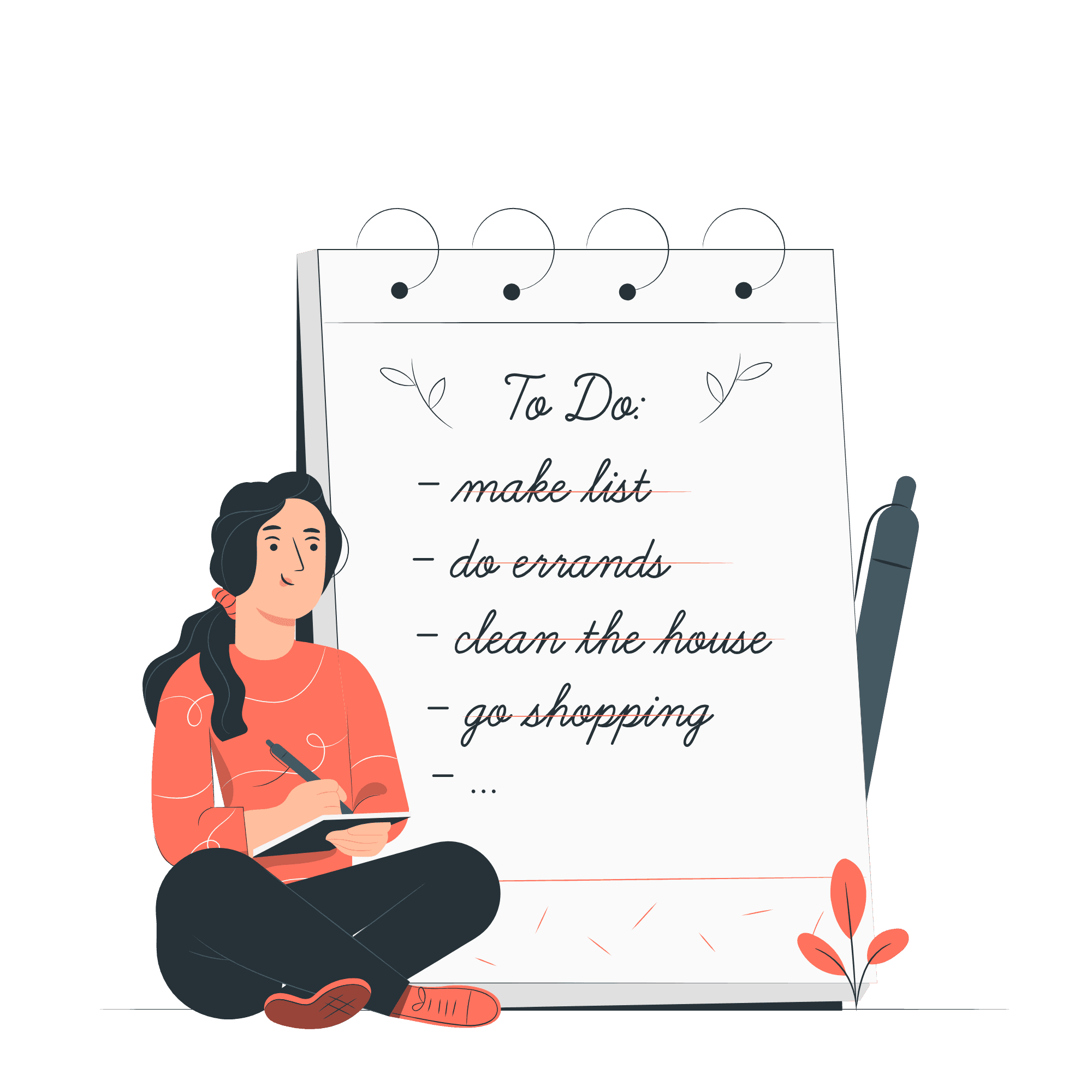
When you feel like everything is urgent, stop. Take 30 seconds. Write down everything that is currently on your plate. Not in your head. On paper or in a list.
The act of writing it down does something useful. The list is usually shorter than it felt. Eight items, not 30. Manageable, not overwhelming.
Categorize Quickly
For each item on the list, ask two questions.
Will it get worse if I do not handle it in the next hour? That is urgency.
Does it actually matter if it does not happen today? That is importance.
Four buckets emerge:
- Urgent and important. Do these now. Usually one or two items.
- Important but not urgent. Schedule these. Don't drop them, but don't let them eat the next hour.
- Urgent but not important. Delegate or quickly knock out. The vendor calling for the third time about an upsell is urgent for them, not for you.
- Neither urgent nor important. Why is it on your list? Drop it.
The 80/20 of Urgency
In any panic moment, two or three items are actually mission-critical. The rest will wait. The skill is identifying which two or three.
Anything that affects customers right now is at the top. Lost reservation, complaint in progress, food safety issue.
Anything that affects the team's ability to work is next. Equipment failure, staffing crisis, safety issue.
Anything regulatory or legal goes high too. Health inspector, OSHA, compliance.
Everything else can wait. The vendor will call back. The regional manager will get the report in the afternoon.
Communicate the Shift
When you are reprioritizing, the team needs to know. A manager who silently changes the plan creates confusion.
Tell the team what you are dropping. "We are not getting to the deep clean today, that moves to tomorrow."
Tell the team what you are focusing on. "Right now everyone is on the dinner rush, then we tackle the inventory."
Tell the impacted parties. If the regional manager's report slips, send a one-line message before they have to chase you for it.
The Long-Term Fix
If you have urgency panic days regularly, the system has problems. Maybe you are understaffed. Maybe you are not delegating. Maybe you are protecting tasks that should not be on your plate. The fix is structural, not individual.
How MyTeamTasks Helps
A digital task system means your list lives in one place, not in five different chat threads, sticky notes, and emails. When everything feels urgent, you can see the actual list, sort by priority, and reassign work to people who have capacity. The 30-second reset becomes mechanical instead of mental. The team sees the new priorities at the same time you set them. Less chaos, faster recovery.
Try it for free
Ready to run a smoother operation?
Turn your checklists into a real system your whole team follows, with photo proof and real-time monitoring.